
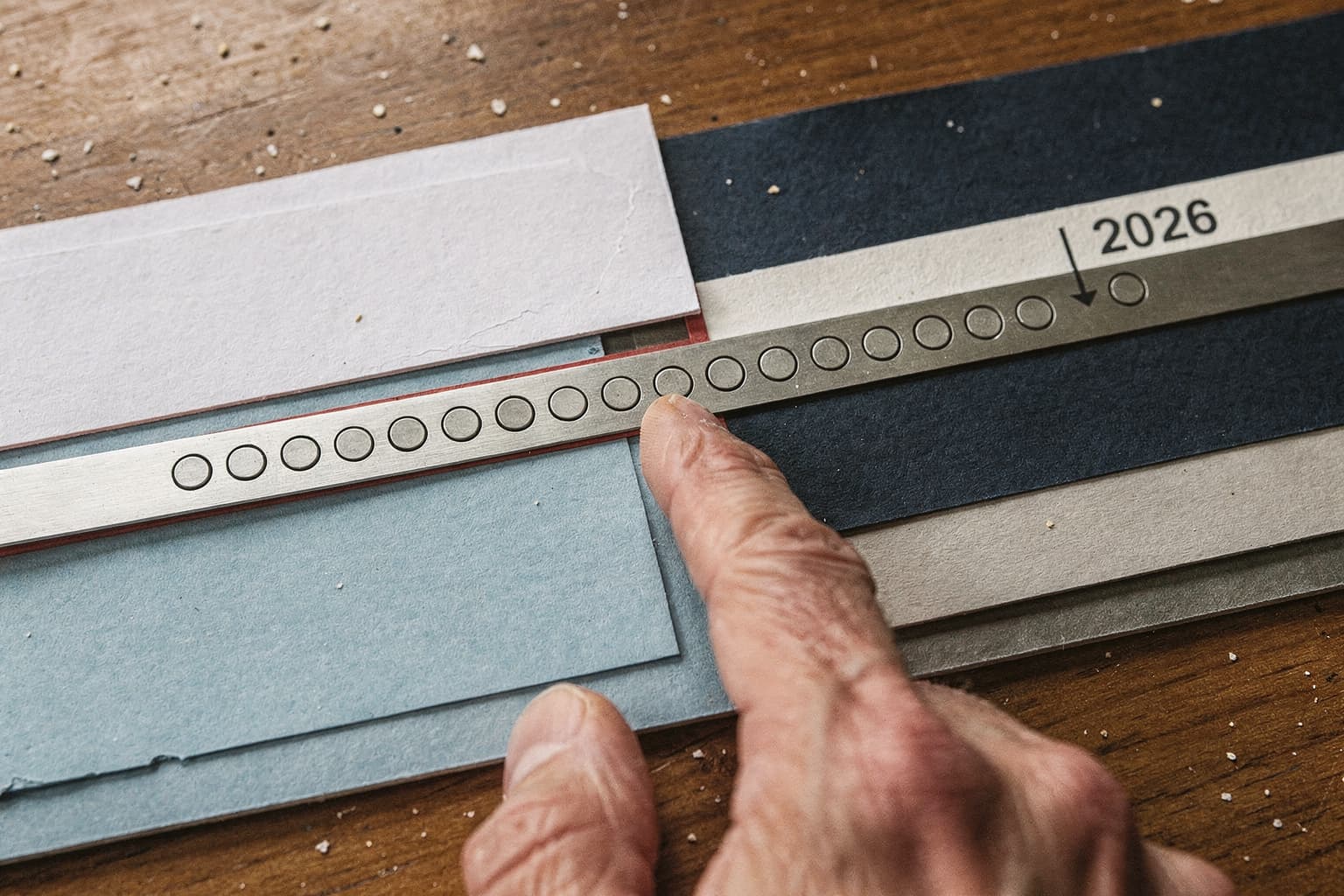
What's Changing in 2026
Two separate changes to the Swiss pension system take effect around the same time, and both matter if you're a US citizen or green card holder building your retirement in Switzerland. First, Swiss voters approved a 13th AHV pension payment in March 2024, with the first payment landing in December 2026. Second, a new rule effective January 1, 2025 lets you make retroactive Pillar 3a contributions for gaps starting in 2025, with the first catch-up payments possible in 2026. Neither change is complicated on the Swiss side. Both create US tax questions worth understanding before the money arrives — and if you're also working through this year's broader compliance picture, it's worth reading alongside the 2026 tax filing season overview for Americans in Switzerland.
The 13th AHV Pension Payment, Explained
AHV — Alters- und Hinterlassenenversicherung, or AVS in French — is Switzerland's mandatory state pension system, the first of the country's three retirement pillars. Nearly everyone who works or lives in Switzerland pays into it, and it forms the base layer of retirement income alongside the occupational pension (Pillar 2) and private savings (Pillar 3a/3b). The 13th payment is exactly what it sounds like: a full extra month's worth of AHV pension, paid once a year in December, on top of the twelve regular monthly payments.
- Applies only to retirement (old-age) pensions — not disability or survivors' pensions
- Equals 1/12 of the total AHV pension you received during that calendar year
- Paid automatically each December — no application or paperwork required
- First payment arrives in December 2026
- Amount scales with your existing pension, so it doesn't change your AHV entitlement calculation itself
How the US Taxes Your 13th AHV Payment
For US tax purposes, AHV pension income — including the 13th payment — is treated as ordinary income, reported on your Form 1040 in the year received. The US-Switzerland tax treaty, Article 19(4), allows Switzerland to tax this income at source, up to a cap of 15%. You generally claim a credit for that Swiss tax through Form 1116, the foreign tax credit form that lets you offset US tax liability with tax you've already paid abroad, which reduces or eliminates double taxation on the same income. The extra December payment simply adds one more month's worth of income to that annual calculation — it doesn't change the mechanics, just the amount.
Why Form 1116 matters here
Form 1116 is the mechanism that prevents you from paying full tax twice on the same AHV income — once to Switzerland, once to the US. Getting the category and sourcing right on this form is a common source of errors, and it's worth confirming your approach matches your full income picture rather than treating each pension separately.
Retroactive Pillar 3a Contributions: Filling the Gaps
Pillar 3a is Switzerland's voluntary, tax-advantaged private retirement account — the third pillar, and the one most people actively choose to fund themselves. Until now, if you missed a year of Pillar 3a contributions — because you were between jobs, living abroad, or simply didn't get around to it — that space was gone for good. A new rule changes that. Starting in 2025, gaps can be filled retroactively, with the first actual catch-up payments possible in 2026 for the 2025 gap year, and a lookback window of up to 10 years going forward.
- You must fully fund the current year's Pillar 3a limit before making any catch-up contribution
- Only one catch-up payment is allowed per calendar year, even if you have multiple years of gaps to fill
- You must have had AHV-liable income (i.e., income subject to Swiss social security contributions) in both the gap year and the year you make the catch-up payment
- The lookback covers up to 10 years, but only for gaps from 2025 onward — pre-2025 gaps cannot be filled retroactively
- The rule applies to both employees with a pension fund and self-employed individuals without one
CHF 7,258
2026 Pillar 3a limit for employees with a pension fund (unchanged from 2025)
10 years
Maximum retroactive lookback window for Pillar 3a gaps starting in 2025
The US Tax Catch: Pillar 3a Isn't a 401(k)
Here's where the two systems stop lining up neatly. In Switzerland, Pillar 3a contributions are tax-deductible, which is the whole point of the incentive. The IRS sees it differently: Pillar 3a is not a qualified retirement plan under US tax law, so contributions are not deductible on your US return, and you're generally taxed on that income in the year you earn it regardless of what you contribute to the account. A retroactive catch-up contribution doesn't retroactively reduce US taxable income for the gap year — it's a Swiss-side benefit only.
There's a second layer worth knowing about. If your Pillar 3a account holds mutual funds or similar pooled investments — common with many Swiss 3a providers — those holdings may qualify as a PFIC, a passive foreign investment company, which is how the IRS categorizes most foreign mutual funds and requires detailed annual reporting on, taxed punitively by default unless you elect and maintain specific reporting. This applies whether the contribution is a regular annual one or a retroactive catch-up. When you eventually withdraw from Pillar 3a, the growth is taxable as ordinary income unless you've kept clear records of your contribution basis — the amount you originally put in, which shouldn't be taxed again. This basis-tracking discipline is the same principle covered in more depth in our guide to tracking basis on Swiss pension withdrawals to avoid double taxation, and it applies just as much to Pillar 3a as to Pillar 2.
PFIC reporting is fixable, not scary
PFIC rules sound intimidating, but they're a compliance and paperwork issue, not a reason to avoid Pillar 3a altogether. Many people simply weren't aware their 3a holdings needed this treatment. The path forward is documentation and, where needed, catching up on prior-year filings — not panic.
FBAR, FATCA, and Reporting Your Pension Accounts
Both your AHV-linked accounts and your Pillar 3a account count as foreign financial accounts for US reporting purposes. If the total value of all your foreign accounts — bank, brokerage, and pension accounts combined — exceeds $10,000 on any single day of the year, you're required to file an FBAR, the Foreign Bank Account Report, with the US Treasury. Separately, FATCA (the Foreign Account Tax Compliance Act) requires Swiss banks and pension providers to report American account holders to the IRS, and you may also need to file Form 8938 with your tax return, which has higher reporting thresholds for Americans living abroad than for US residents. A retroactive Pillar 3a catch-up contribution increases your account balance in the payment year, which is worth factoring into your FBAR calculation for that year. For a fuller picture of how Swiss pension structures intersect with US filing obligations, our compliance guide to Swiss pension plans and US taxes walks through the reporting layers in more detail.
What to Do Before December 2026
Neither of these changes requires immediate action today, but both reward a bit of planning before the relevant dates arrive. A few things worth putting on your radar:
- Confirm whether your Pillar 3a provider's investment holdings inside the account are structured in a way that raises PFIC considerations, and whether you already have the annual reporting in place
- Check your Pillar 3a contribution history for 2025 onward to identify whether you have a gap worth filling with a retroactive payment
- Remember the sequencing rule: you must max out the current year's Pillar 3a limit before a catch-up contribution counts
- Keep a running record of your Pillar 3a contribution basis so future withdrawals aren't taxed twice
- If you're also approaching US Social Security eligibility, think about how AHV income and the 13th payment interact with your overall retirement income timing — our guide on claiming strategies for dual AHV and Social Security pensions covers that coordination
Both changes are genuinely good news for retirement savers in Switzerland — more pension income, and a real second chance to fill contribution gaps. The US tax side just requires a bit of extra bookkeeping so the benefit on the Swiss side doesn't turn into a surprise on the US side. This is exactly the kind of dual-system question we work through with clients at US Expat Wealth, and if your situation involves multiple pension gaps, PFIC exposure, or overlapping filing years, it's worth getting a personal review rather than guessing at the details.